
Underground Bee Colony Discovered Beneath New York Cemetery Reveals Nature’s Hidden Resilience
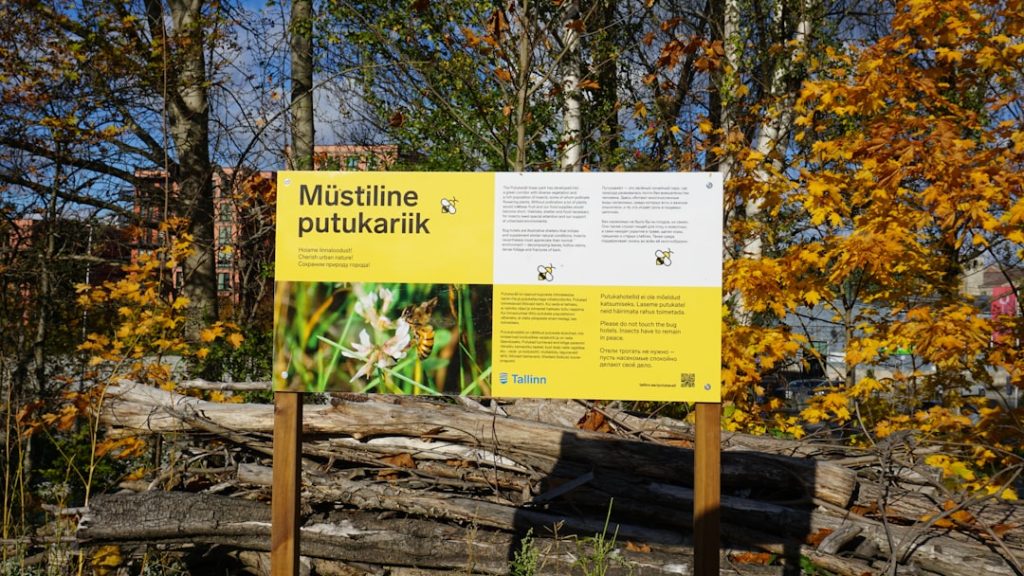
In what can only be described as one of nature’s most remarkable survival stories, researchers from Cornell University have uncovered a massive underground bee colony thriving beneath a New York cemetery, housing an estimated 5.5 million bees. This discovery, made during a routine cemetery walk, represents one of the largest documented bee populations ever recorded.
What strikes me most about this finding is how it challenges our assumptions about where life can flourish. While we’re constantly hearing doom-and-gloom stories about declining bee populations and colony collapse disorder, here’s proof that these industrious insects can not only survive but absolutely thrive in the most unexpected places. The fact that this colony has existed for over a century right under our noses is both humbling and inspiring.
The Significance of Underground Survival
This discovery is particularly relevant for conservationists, urban planners, and anyone concerned about pollinator health. The underground location likely provided the colony with protection from pesticides, extreme weather events, and human interference—factors that have decimated bee populations elsewhere. I believe this offers crucial insights into creating bee-friendly environments in urban settings.
For beekeepers struggling with colony losses, this discovery might seem like a cruel irony. While managed hives face numerous challenges, this wild colony has flourished independently for generations. However, I think there’s hope here rather than frustration. It demonstrates that bees possess remarkable adaptability when given the right conditions.
Who Benefits from This Discovery
This finding is most valuable for researchers studying bee behavior and conservation strategies. Urban ecologists will find particular interest in how human-modified landscapes can still support wildlife in unexpected ways. Environmental educators now have a powerful story to illustrate nature’s resilience.
However, this discovery won’t directly help commercial beekeepers facing immediate colony challenges, nor does it solve the broader crisis of pollinator decline in agricultural areas. The unique circumstances that allowed this colony to thrive—isolation, protection from chemicals, and minimal human disturbance—aren’t easily replicated in commercial or agricultural settings.
Implications for Future Conservation
What matters most about this discovery, in my opinion, is what it reveals about creating protective spaces for pollinators. The cemetery environment inadvertently provided ideal conditions: limited pesticide use, diverse flowering plants, and protection from development. This suggests that unconventional spaces—from cemeteries to abandoned lots—could play crucial roles in pollinator conservation.
I find it fascinating that the very place associated with endings and finality has become a sanctuary for new life and continuation. This underground metropolis of bees represents hope for species recovery when we give nature the space and protection it needs to flourish.
Photo by Marek Lumi on Unsplash