
Rising Opposition to Data Centers Linked to Foreign Competition Concerns
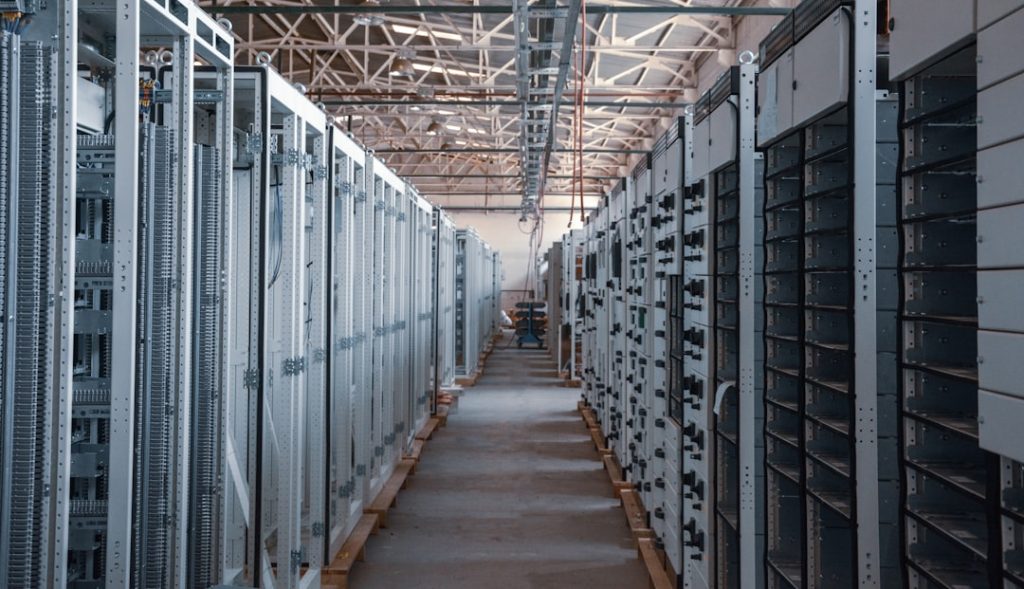
A growing wave of resistance against data center development across the United States has emerged, with government officials and business leaders pointing to international competitive pressures as a driving force behind local opposition movements.
Interior Secretary Doug Burgum recently characterized the situation as part of broader economic warfare, stating that current developments represent “just another attack on the US and our ability to be competitive.” This perspective suggests that what appears to be grassroots community opposition may have deeper geopolitical underpinnings.
I find this narrative particularly concerning because it oversimplifies what are often legitimate local concerns about infrastructure development. While foreign influence in domestic policy debates is certainly worth monitoring, attributing all data center opposition to external manipulation dismisses valid community grievances about power grid strain, environmental impact, and property values.

The reality is that data centers require enormous amounts of electricity and water, often straining local utilities and driving up costs for residents. For communities already struggling with aging infrastructure, the prospect of massive new facilities can understandably generate opposition. This isn’t necessarily about foreign manipulation – it’s about practical concerns that affect daily life.
However, the timing of this pushback does raise questions worth considering. As the United States races to maintain its technological edge in artificial intelligence and cloud computing, any delays in critical infrastructure development could have strategic implications. Data centers are the backbone of modern digital services, and restrictions on their construction could potentially hamper innovation and economic growth.
Business leaders in the technology sector are particularly vulnerable to these delays. Companies requiring significant computational resources for AI development, cryptocurrency operations, or large-scale data processing stand to lose the most from prolonged approval processes or outright bans on new facilities.

On the other hand, rural communities and residential areas near proposed sites have legitimate reasons to be cautious. The benefits of data center development – primarily job creation and tax revenue – often don’t offset the immediate quality-of-life impacts for local residents. These facilities typically employ relatively few people once operational, and the high-paying construction jobs are usually temporary.
What troubles me most about framing this as foreign interference is that it could be used to dismiss or override genuine community concerns. Local democracy and environmental stewardship shouldn’t be sacrificed on the altar of technological competition, even if that competition has national security implications.
The path forward requires nuanced thinking rather than broad accusations. Communities deserve transparent information about proposed projects, meaningful input in the approval process, and fair compensation for any negative impacts. At the same time, the nation needs strategic infrastructure development to remain competitive in the global digital economy.
Rather than attributing opposition to foreign influence, policymakers would be better served by addressing the root causes of community resistance through better planning, environmental safeguards, and benefit-sharing arrangements that make data center development genuinely beneficial for local residents.
Photo by İsmail Enes Ayhan on Unsplash
Photo by Taylor Vick on Unsplash
Photo by Scott Rodgerson on Unsplash