
Political Betting Markets Signal Shifting Republican Presidential Prospects for 2028
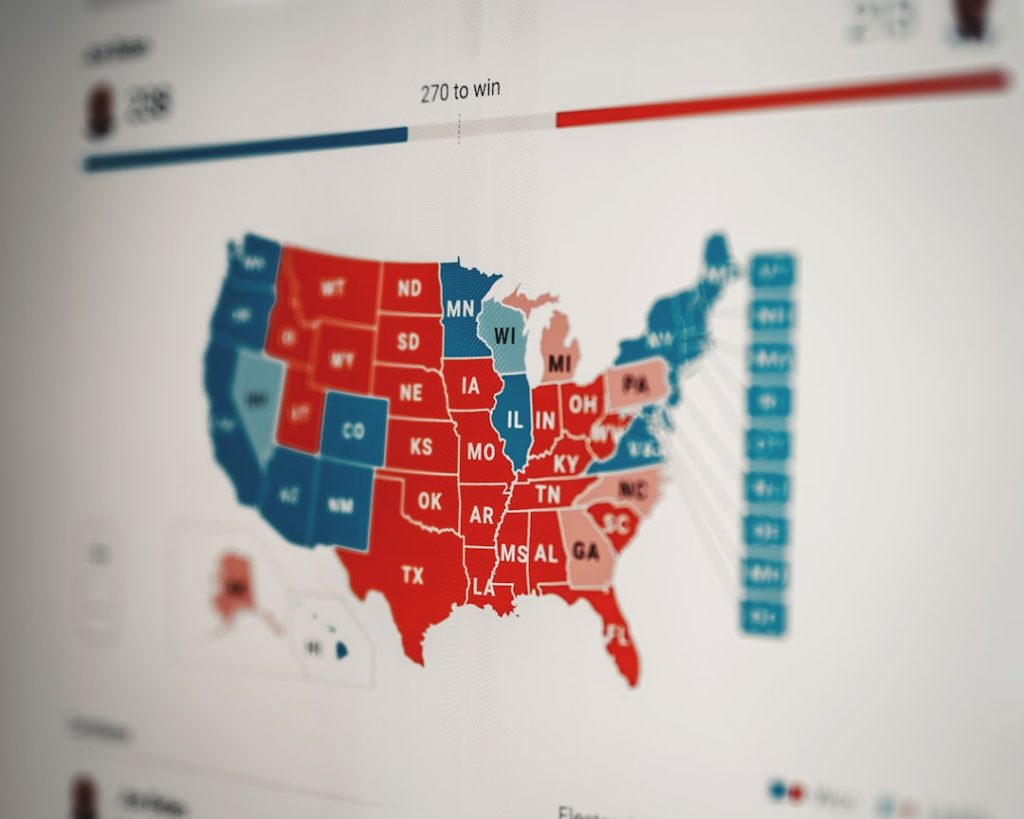
The landscape of Republican presidential speculation for 2028 is experiencing notable turbulence, with prediction markets revealing a fascinating power struggle between current administration officials. What we’re witnessing here isn’t just typical political jockeying—it’s a real-time measurement of how military conflicts and public perception can dramatically reshape political futures.
Current Vice President JD Vance, once considered the natural successor to the current administration’s populist movement, has seen his betting odds decline significantly. On Kalshi, his probability dropped from approximately 50% at the beginning of January to just 33% this week. This represents more than just market volatility—it suggests serious doubts about his political trajectory among those willing to put money behind their predictions.
Secretary of State Marco Rubio has emerged as the primary beneficiary of this shift, with his odds climbing from roughly 12% to 30% over the same period. I find this development particularly telling because it demonstrates how foreign policy crises can either make or break political careers. Rubio’s rise coincides directly with major military operations, including the capture of Venezuelan President Nicolas Maduro and the onset of conflict with Iran.

What’s most intriguing to me is how these betting markets are essentially functioning as real-time polling mechanisms for political insiders and engaged observers. The fact that Rubio’s odds spiked around key military events suggests that traders view foreign policy leadership as a crucial credential for future presidential ambitions. This makes sense for Republican primary voters, who historically value strong national security credentials.
However, I think there’s an important caveat here that casual political observers should understand. While Rubio’s military leadership role has boosted his individual prospects, these same conflicts have actually damaged the overall Republican brand for 2028. The party’s chances of winning the presidency have dropped from 45% to 39% as the current president’s approval ratings have suffered due to ongoing military engagements.
This creates a fascinating paradox that political strategists should carefully consider. Rubio may be positioning himself well within Republican circles, but he’s doing so while the party’s general election prospects potentially weaken. His viral White House press room speech in May, which sparked speculation about his 2028 intentions, demonstrates sophisticated political positioning—but it may be positioning for a nomination that becomes less valuable if current trends continue.

For political professionals and campaign strategists, these market movements offer valuable insights into how military leadership translates to political capital within the Republican base. For casual political observers, however, I’d caution against reading too much into these early indicators. We’re still years away from actual campaigning, and political landscapes can shift dramatically.
The data from Polymarket shows similar trends, with Vance at 31% and Rubio close behind at 27%, confirming this isn’t just a single platform anomaly. What this tells me is that we’re witnessing a genuine recalibration of Republican presidential expectations, driven by real-world events rather than just political theater.
Ultimately, I believe this situation benefits political junkies and betting market participants who enjoy early speculation, but it’s probably premature for average voters to invest too heavily in these predictions. The Republican Party’s 2028 nominee will likely be determined by factors we can’t yet anticipate, making current betting odds more entertainment than reliable forecasting.
Photo by Clay Banks on Unsplash
Photo by Kelly Sikkema on Unsplash