
Military Training Principles Transform Modern Parenting: A Former Special Forces Instructor’s Revolutionary Approach
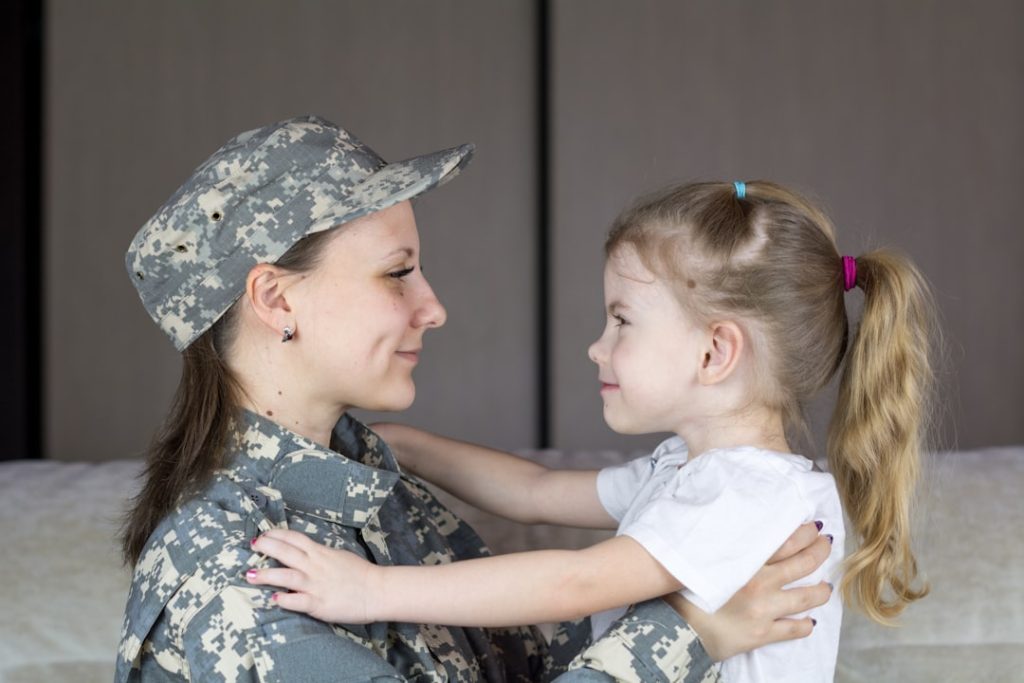
A former special operations sniper instructor has developed a groundbreaking parenting methodology that challenges conventional child-rearing wisdom. Drawing from years of training elite military personnel, this approach emphasizes psychological techniques over traditional discipline methods.
I find this perspective fascinating because it addresses what I believe is one of the biggest failures in modern parenting: our tendency to focus on what children do wrong rather than reinforcing positive behaviors. The instructor’s observation about negative reinforcement is particularly compelling – when you tell someone they’re making a mistake, especially publicly, it creates a mental block that actually increases the likelihood of failure.
The core philosophy revolves around becoming the positive inner voice that children carry throughout their lives. This resonates deeply with me because I’ve seen too many adults struggle with harsh internal criticism that clearly stems from childhood experiences. The approach focuses on four key principles: visualization techniques, maintaining optimism during challenges, building positive self-image, and using constructive verbal cues.
The Power of Positive Mental Programming
What sets this methodology apart is its emphasis on mental conditioning rather than behavioral correction. The instructor argues that parents often underestimate how profoundly their reactions to negative situations shape their child’s psychological framework. This makes perfect sense to me – children are essentially learning how to process stress and setbacks by watching their parents’ responses.
I think this approach would benefit parents who struggle with their own emotional regulation. If you’re someone who tends to catastrophize or react emotionally to problems, this framework could help you develop better responses that serve both you and your children. However, parents who prefer more structured, rule-based approaches might find this methodology too abstract or philosophical.
Encouraging Calculated Risk-Taking
The concept of raising ‘puddle jumpers’ – children who embrace life’s opportunities rather than avoiding them – addresses what I see as a critical issue in contemporary parenting. Many parents today are so focused on protecting their children from discomfort that they inadvertently prevent them from developing resilience.

This philosophy particularly appeals to me because it recognizes that overprotection often stems from parents projecting their own anxieties onto their children. The puddle-jumping metaphor is brilliant – it captures the essence of allowing children to experience joy and discovery, even when it means getting dirty or facing minor consequences.
Parents who are naturally anxious or control-oriented would benefit enormously from this mindset shift. However, those who already encourage independence might find this concept redundant to their existing approach.
Strategic Struggle and Growth
One of the most controversial aspects of this methodology involves deliberately allowing children to face difficulties without immediate parental intervention. The instructor shares examples of letting his adult son work through significant financial problems independently rather than providing a quick bailout.
I believe this approach is absolutely crucial but requires tremendous parental discipline. It’s emotionally challenging to watch your child struggle, but I’ve observed that children who never face consequences or work through problems independently often become adults who lack problem-solving skills and resilience.
This strategy works best for parents who can distinguish between appropriate struggles that promote growth and situations where intervention is necessary for safety or wellbeing. Parents who have difficulty setting boundaries or who tend to rescue their children from every difficulty would find this particularly challenging but ultimately beneficial.
Discipline Through Connection, Not Punishment
The distinction between discipline and punishment represents a fundamental shift in thinking about child behavior management. Rather than reactive consequences, this approach emphasizes consistent follow-through on established expectations, delivered without anger or emotion.

What I find most compelling about this perspective is its emphasis on maintaining the parent-child relationship while still establishing clear boundaries. The example of turning around during a family trip when children continued fighting demonstrates how consequences can be educational rather than punitive.
This methodology would particularly benefit parents who struggle with anger management or who find themselves in power struggles with their children. However, parents who prefer immediate compliance or who believe in more traditional authoritarian approaches might find this method too time-intensive or permissive.
Quality Over Quantity in Parent-Child Relationships
The emphasis on intentional, focused time with children rather than simply being physically present addresses a common misconception about parenting effectiveness. The instructor’s adult children’s expressions of appreciation highlight how meaningful engagement creates lasting positive relationships.
I think this principle is especially relevant for working parents who often feel guilty about time constraints. The focus on quality interactions rather than constant availability provides a more realistic and achievable standard for building strong family relationships.
This approach would benefit busy parents who want to maximize their impact during limited time with their children. However, parents who believe that physical presence is the primary indicator of good parenting might need to adjust their expectations and focus more on engagement quality.
Overall, I believe this military-inspired parenting methodology offers valuable insights for modern families, particularly in developing children’s mental resilience and maintaining positive long-term relationships. The approach requires significant parental self-awareness and emotional regulation, but the potential benefits for raising confident, capable adults make it worth serious consideration.
Photo by Bermix Studio on Unsplash