
Manufacturing Growth Streak Masks Deeper Economic Concerns for Industry Leaders
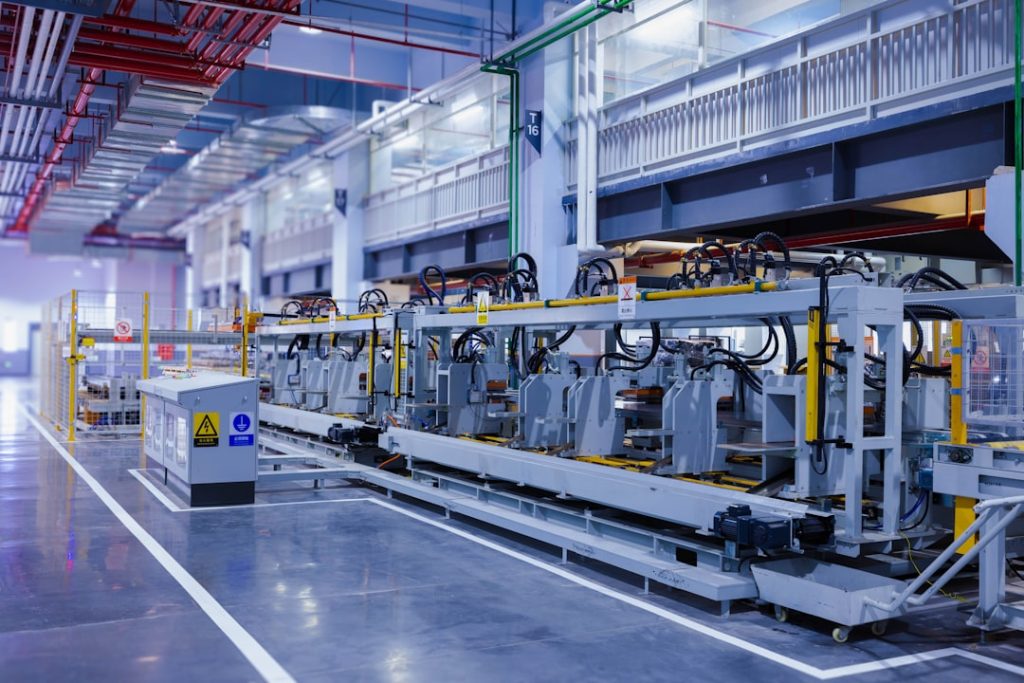
The American manufacturing sector has achieved something remarkable: five consecutive months of expansion through May, marking the most sustained growth period since 2018. Yet this impressive streak tells only part of the story, and frankly, I think the underlying tensions reveal more about our economic reality than the headline numbers suggest.
What’s particularly striking is the disconnect between measurable performance and executive sentiment. While production metrics paint an optimistic picture, industry leaders remain notably apprehensive about the road ahead. This contradiction isn’t just statistical noise—it reflects genuine strategic challenges that forward-thinking manufacturers are grappling with daily.
Trade Policy Uncertainty Creates Strategic Paralysis
The specter of potential trade policy shifts continues to haunt manufacturing boardrooms, and rightfully so. Business leaders who lived through previous tariff implementations understand that policy volatility can devastate carefully planned supply chains overnight. In my view, this anxiety is entirely justified—manufacturers operating on thin margins simply cannot afford to ignore geopolitical risks that could fundamentally alter their cost structures.

For multinational corporations with complex global supply networks, this uncertainty translates into delayed investment decisions and conservative expansion plans. Smaller domestic manufacturers, however, might actually benefit from protectionist policies, creating a fascinating divide within the sector that isn’t captured in aggregate statistics.
Inflationary Pressures from Global Conflicts
The ongoing conflict in the Middle East has introduced another layer of complexity that I believe is fundamentally underestimated by many analysts. Energy price volatility and supply chain disruptions stemming from regional instability don’t just affect immediate costs—they create cascading effects throughout manufacturing ecosystems.
What concerns me most is how these inflationary pressures disproportionately impact different types of manufacturers. Energy-intensive industries face existential challenges, while companies with flexible supply chains and strong pricing power can potentially weather the storm. This divergence means that sector-wide growth statistics mask significant disparities in actual business performance.

Who Benefits from Current Conditions
This environment particularly favors manufacturers who have invested heavily in domestic production capabilities and supply chain resilience. Companies that diversified their supplier networks over the past few years are now reaping the benefits of that foresight. Additionally, businesses serving essential domestic markets—healthcare equipment, infrastructure components, defense contractors—are positioned to capitalize on both growth momentum and policy preferences for domestic sourcing.
Who Faces the Greatest Challenges
Conversely, manufacturers heavily dependent on international supply chains or export markets face a much more precarious situation. Companies that optimized for efficiency over resilience during the globalization era now find themselves vulnerable to both policy shifts and geopolitical disruptions. Small to medium-sized manufacturers lacking the resources to rapidly reconfigure their operations are particularly at risk.
The Real Story Behind the Numbers
What I find most telling about this situation is that experienced business leaders are choosing caution despite positive indicators. This suggests that the manufacturing renaissance, while real, remains fragile and contingent on factors beyond traditional economic fundamentals.
The smart money appears to be betting on continued volatility rather than sustained stability. For investors and stakeholders, this means the current growth streak, impressive as it is, should be viewed as an opportunity to build resilience rather than a signal to increase leverage or expand aggressively.
Ultimately, I believe this moment represents a critical inflection point for American manufacturing. The sector’s ability to maintain momentum while navigating policy uncertainty and global instability will determine whether this growth streak becomes a foundation for long-term competitiveness or merely a brief respite between crises.
Photo by Homa Appliances on Unsplash
Photo by Lalit Kumar on Unsplash
Photo by Ant Rozetsky on Unsplash