
Essential Etiquette and Strategy Guide for Tennis Grand Slam Attendance
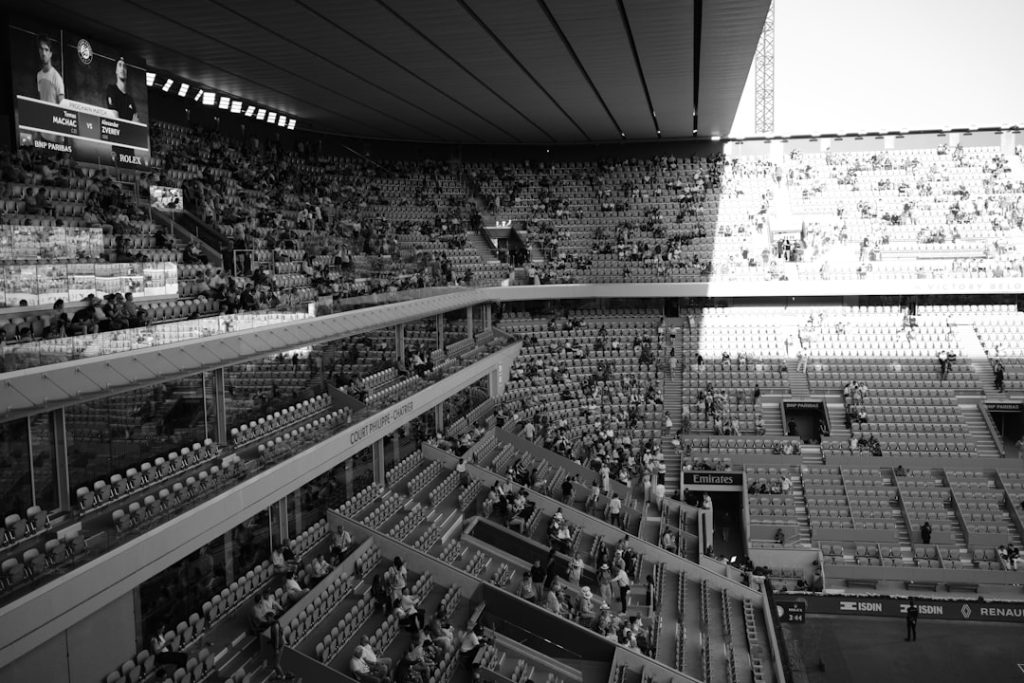
Attending a tennis Grand Slam tournament represents one of sport’s most prestigious experiences, but navigating these events successfully requires more than just showing up with a ticket. Having witnessed countless matches and spoken with seasoned attendees, I believe there’s a clear hierarchy of what matters most when you’re planning your Grand Slam adventure.
The most critical aspect, in my opinion, is understanding the unique atmosphere of each tournament. Wimbledon demands a level of decorum that would feel stuffy at the Australian Open, while the French Open’s clay courts create an entirely different viewing dynamic than the hard courts at the US Open. This isn’t just about dress codes – though those matter – it’s about reading the room and adapting your behavior accordingly.
Timing Your Visit Strategically
Here’s where most first-time attendees get it wrong: they focus solely on the finals weekend. While those matches are spectacular, I’d argue that the early rounds offer superior value for most fans. You’ll see more tennis, encounter shorter lines, and experience a more relaxed atmosphere that actually allows you to appreciate the nuances of professional play.
The sweet spot, from my perspective, falls during the second week’s early rounds. By this point, the tournament has found its rhythm, but you’re not yet dealing with the chaos and inflated prices of the semifinals and finals. This timing works particularly well for tennis enthusiasts who prioritize seeing quality matches over celebrity spotting.
Court Selection and Movement Strategy
The biggest mistake I see spectators make is camping out at one court all day. Grand Slams offer an incredible variety of matches simultaneously, and smart attendees treat the grounds like a buffet rather than a single-course meal. The outer courts often showcase tomorrow’s stars today, and the energy can be more electric than on the show courts where crowds sometimes feel more corporate.

For families with children, I’d recommend focusing on the more accessible outer courts where kids can move around and get closer to the action. Serious tennis students, however, should prioritize getting into the main stadiums where they can study technique and strategy at the highest level.
Weather and Comfort Considerations
Weather preparation separates the prepared from the miserable. Each Grand Slam presents unique challenges: Melbourne’s unpredictable heat, Paris’s potential rain delays, London’s queue culture, and New York’s late-summer humidity. I believe investing in proper gear – sun protection, comfortable shoes, layers – matters more than splurging on premium seating.
The queue system at Wimbledon deserves special mention. While some view it as charming tradition, I see it as an endurance test that’s not suitable for everyone. Older attendees or those with mobility issues should seriously consider purchasing reserved seats rather than gambling on queue tickets.
Food, Drinks, and Budget Management
Grand Slam food prices will shock you if you’re unprepared. My advice? Embrace it as part of the experience rather than fighting it. The strawberries and cream at Wimbledon or the wine selection at Roland Garros aren’t just refreshments – they’re integral to the tournament atmosphere.
However, this doesn’t mean abandoning all financial sense. I recommend budgeting specifically for food and drinks as a separate category from tickets and travel. This prevents the sticker shock from ruining your enjoyment and allows you to make conscious choices about when to splurge and when to be practical.

Technology and Connection
Modern Grand Slams offer excellent mobile apps and WiFi, but I’d caution against spending the entire day staring at your phone. The real magic happens when you disconnect from social media and immerse yourself in the live experience. Save the photo-taking for changeovers and between sets.
For tennis coaches and serious students of the game, however, the slow-motion video capabilities of modern phones can provide incredible learning opportunities when used judiciously during practice sessions on outer courts.
Who Benefits Most from Grand Slam Attendance
In my experience, Grand Slams offer the most value to dedicated tennis fans who understand and appreciate the sport’s subtleties. Casual sports fans might find better entertainment value at other events with more consistent action and atmosphere.
Tennis players at any level will gain invaluable insights from watching professional technique up close, while families seeking a shared experience will find Grand Slams more rewarding than individual sports events due to the festival-like atmosphere and multiple entertainment options.
Ultimately, attending a Grand Slam successfully requires preparation, flexibility, and realistic expectations. Those who approach these tournaments as cultural experiences rather than just sporting events typically leave with the most satisfaction and lasting memories.
Photo by Ashwin Tanjore on Unsplash