
British Fintech Giant Expands Indian Operations with Massive User Waitlist
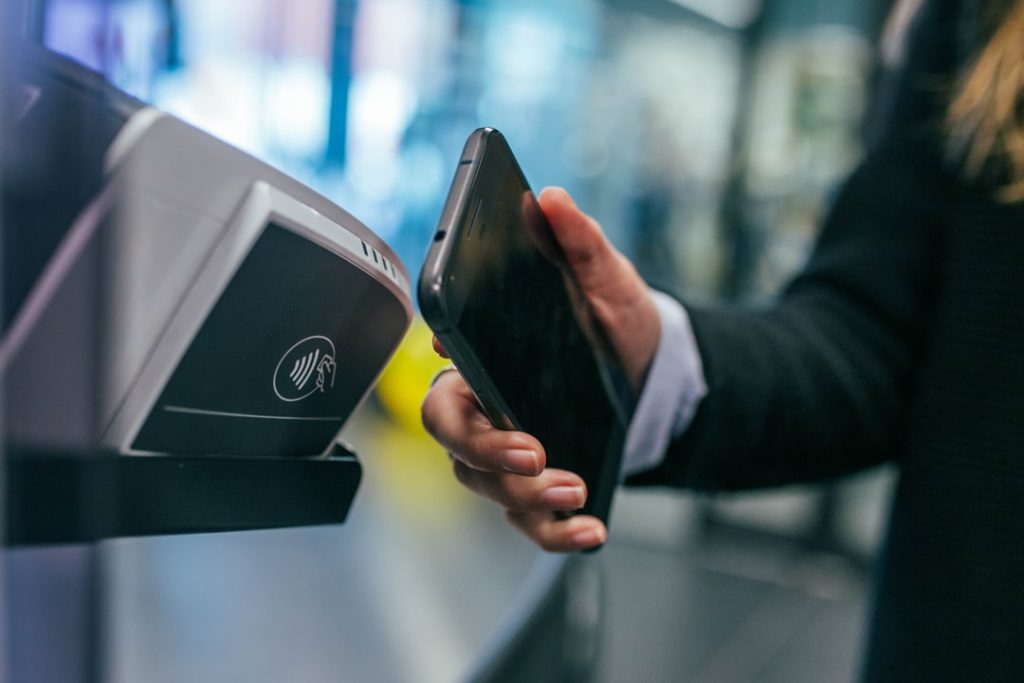
A major European financial technology company has begun extending its digital banking services to thousands of Indian customers, marking a significant step in its strategic expansion into one of the world’s largest fintech markets. The company has reportedly accumulated approximately 450,000 users on its waiting list as it prepares for a comprehensive market entry.
This development represents what I believe is a calculated and smart approach to entering the highly competitive Indian fintech landscape. Rather than rushing into a full-scale launch, the gradual rollout allows the company to test its infrastructure, understand local customer preferences, and refine its offerings based on real user feedback.

The timing couldn’t be more strategic. India’s digital payments ecosystem has experienced explosive growth, particularly following the government’s push toward a cashless economy and the widespread adoption of digital payment platforms. For international fintech companies, this presents both an enormous opportunity and significant challenges.
I think this phased approach will particularly benefit tech-savvy urban professionals and millennials who are already comfortable with digital banking solutions. These early adopters are likely seeking alternatives to traditional banking services and may appreciate the innovative features that European fintech companies typically offer. However, I don’t see this being immediately relevant for users in rural areas or those who prefer traditional banking relationships.

What strikes me as particularly noteworthy is the substantial waitlist the company has managed to build before even launching fully. This suggests strong brand recognition and pent-up demand for alternative financial services in India. The challenge now lies in converting this interest into active, engaged users while navigating India’s complex regulatory environment.
From my perspective, the success of this venture will largely depend on how well the company adapts its European-centric features to Indian consumer behaviors and regulatory requirements. The Indian market has unique characteristics, including diverse payment preferences, varying levels of financial literacy, and specific compliance requirements that differ significantly from European standards.
For investors and industry watchers, this expansion signals the continued globalization of fintech services and the ongoing competition for market share in emerging economies. I believe companies that can successfully localize their offerings while maintaining their technological edge will be the ones that ultimately succeed in these challenging but lucrative markets.
Photo by Jonas Leupe on Unsplash
Photo by Vitaly Gariev on Unsplash
Photo by CardMapr.nl on Unsplash