
Oil Markets Surge Nearly 7% as Middle East Tensions Escalate Over Strategic Shipping Lane
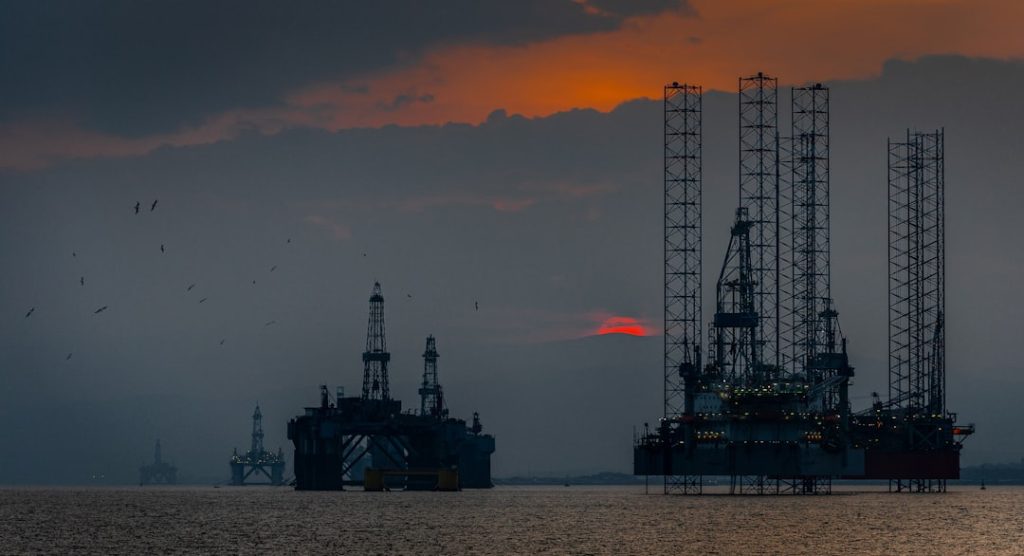
Crude oil markets experienced a dramatic surge on Monday, with prices climbing nearly 7% to breach the $97 per barrel threshold amid escalating geopolitical tensions in the Middle East. The sharp price movement reflects growing concerns over potential supply disruptions in one of the world’s most critical energy corridors.
The market volatility stems from reports that Iran has halted diplomatic discussions with Washington and imposed restrictions on the Strait of Hormuz, a vital maritime passage that handles approximately one-fifth of global oil shipments. These developments emerged as regional conflicts intensify, particularly following military actions in Lebanon that have heightened tensions across the broader Middle East.

From my perspective, this price spike represents exactly the kind of market overreaction that creates both opportunities and risks for different stakeholders. Energy traders and oil companies will likely benefit from these elevated prices in the short term, while consumers and businesses dependent on stable fuel costs face immediate pressure on their bottom lines.
The situation particularly impacts several key groups:

- Airlines and shipping companies, who face immediate cost pressures from higher fuel prices
- Manufacturing businesses with energy-intensive operations
- Consumers in regions heavily dependent on oil imports
- Energy investors seeking to capitalize on price volatility
What strikes me as most significant here isn’t just the immediate price movement, but the underlying fragility it exposes in global energy markets. The Strait of Hormuz has long been recognized as a critical chokepoint, yet the speed of this market reaction demonstrates how quickly geopolitical tensions can translate into economic consequences worldwide.
I believe this development will be most relevant for portfolio managers and institutional investors who need to hedge against energy price volatility. For individual consumers, the impact may be less immediate but could manifest in higher gasoline and heating costs over the coming weeks. However, those in regions with diverse energy sources or strong strategic reserves may find themselves better insulated from these market shocks.
The broader implications extend beyond immediate price movements. This situation underscores the ongoing vulnerability of global supply chains to regional conflicts and highlights why energy security remains a paramount concern for policymakers worldwide. In my view, this serves as another reminder of the importance of diversified energy portfolios and the strategic value of domestic energy production capabilities.
Photo by Ben Wicks on Unsplash
Photo by Fredrick F. on Unsplash
Photo by Scott Tobin on Unsplash