
Global Trade Momentum Slows as Economic Uncertainty Grips Markets
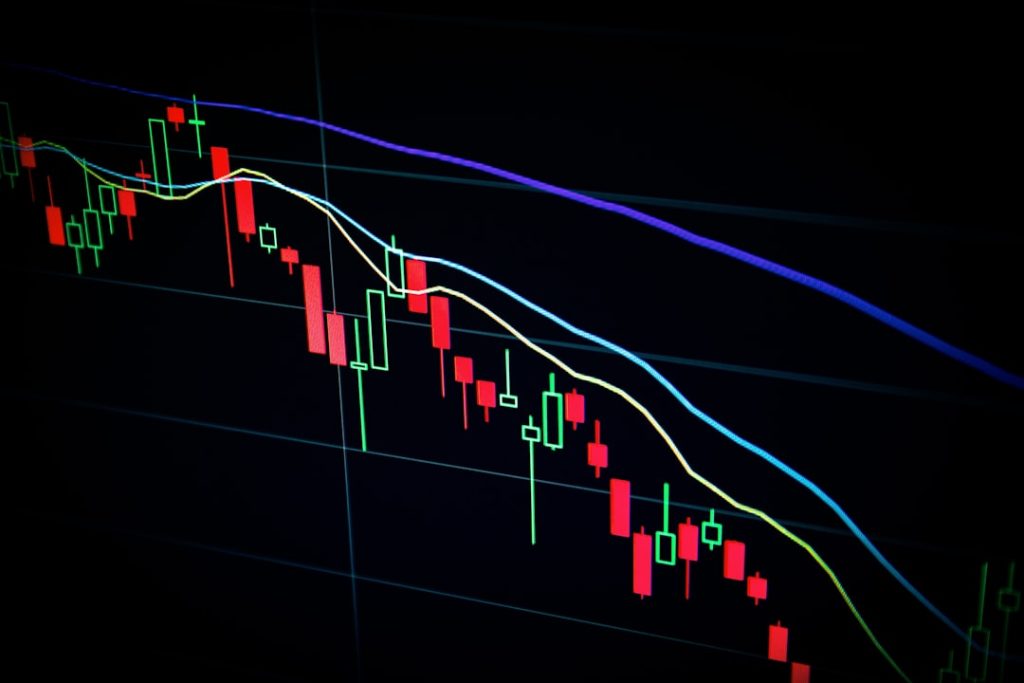
The global economy finds itself at a critical juncture, with international trade showing clear signs of deceleration rather than outright decline, according to recent economic analysis. This distinction matters more than most investors realize, and understanding it could be the difference between making smart portfolio decisions and costly mistakes in today’s volatile environment.
What we’re witnessing isn’t a complete collapse of international commerce, but rather a significant pause in growth momentum. This stagnation reflects the cumulative impact of multiple economic shocks that have rippled through global markets over recent months. From my perspective, this creates both opportunities and risks that savvy investors need to navigate carefully.
The Reality of Economic Stagnation
The current trade environment presents a complex picture that defies simple categorization. While trade volumes haven’t entered freefall, the absence of growth in international commerce signals deeper structural challenges that extend beyond temporary market fluctuations. This matters enormously for anyone with exposure to multinational corporations or export-dependent economies.

I believe this stagnation phase could persist longer than many analysts expect. The interconnected nature of global supply chains means that even modest disruptions can create cascading effects across multiple sectors and regions. Investors who assume a quick recovery may find themselves disappointed.
Strategic Investment Considerations
For portfolio managers and individual investors, this environment demands a more nuanced approach than traditional bull or bear market strategies. The key lies in identifying which sectors and regions can weather prolonged trade uncertainty while positioning for eventual recovery.
Companies with strong domestic market positions and diversified revenue streams should outperform those heavily dependent on international trade flows. This isn’t just about avoiding risk – it’s about recognizing where genuine value creation can occur even during periods of global economic uncertainty.

Who Benefits and Who Doesn’t
This market environment particularly favors investors with longer time horizons and the patience to wait out volatility. Day traders and momentum investors will likely struggle in this environment, where clear directional trends remain elusive. Conversely, value investors who can identify fundamentally sound businesses trading at discounted prices may find exceptional opportunities.
Emerging market investors face particular challenges, as these economies often depend heavily on trade relationships with developed nations. However, this also creates potential for significant returns once global trade momentum eventually resumes.
The Path Forward
While predicting exact timing remains impossible, the current trade stagnation will eventually resolve in one of two directions: either a return to growth or a more pronounced downturn. Smart investors should prepare for both scenarios rather than betting everything on a single outcome.
The most prudent approach involves maintaining diversified exposure while emphasizing quality companies with strong balance sheets and competitive advantages. This isn’t the time for speculative plays or highly leveraged positions, regardless of how attractive they might appear in the short term.
Photo by Maxim Hopman on Unsplash
Photo by Nick Chong on Unsplash
Photo by Anne Nygård on Unsplash