
The Hidden Sleep Cost of Sharing Your Bedroom with Pets
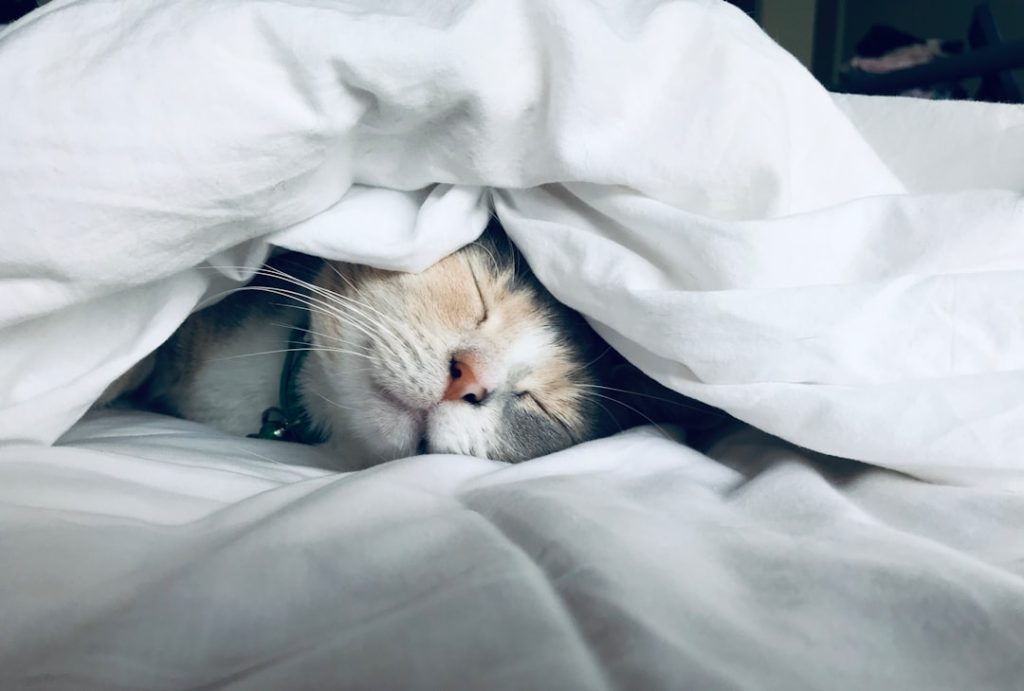
If you’re one of those pet parents who loves curling up with your furry companion at night, you might want to reconsider this cozy arrangement. Recent scientific evidence suggests that sharing sleeping quarters with pets could be sabotaging your rest in ways you probably haven’t realized.
A comprehensive study involving over 1,500 American adults has revealed some eye-opening findings about pet co-sleeping habits. Researchers discovered that approximately half of pet owners regularly share their sleeping space with their animals, yet most remain blissfully unaware of the potential consequences.
Here’s what I find particularly striking: the data shows a clear correlation between pet co-sleeping and diminished sleep quality, along with increased insomnia symptoms. What makes this even more fascinating is that dog owners seem to bear the brunt of these sleep disruptions, while cat owners appear relatively unaffected. This makes perfect sense when you consider the behavioral differences between these species – dogs are generally more active sleepers and responsive to environmental stimuli.
The Reality Check Most Pet Owners Need
What truly amazes me is the disconnect between perception and reality here. An overwhelming 93% of pet co-sleepers believe their animals either improve or have no impact on their sleep quality. This suggests a massive blind spot that could be affecting millions of people’s health without them realizing it.

I think this phenomenon speaks to our deep emotional bonds with pets. We’re so invested in the comfort and companionship they provide that we unconsciously overlook or rationalize away the sleep disruptions they cause. It’s a classic case of confirmation bias in action.
Who Should Pay Attention to This Research
This information is particularly crucial for people who are already struggling with sleep issues, chronic fatigue, or stress-related health problems. If you’re dealing with insomnia, anxiety, or depression, every bit of sleep quality matters, and pet co-sleeping could be an overlooked factor undermining your recovery.
Light sleepers and shift workers should also take note. These individuals need optimal sleep conditions more than most, and even minor disruptions from pet movement, body heat, or nighttime sounds can have amplified negative effects.
On the flip side, heavy sleepers who rarely wake up during the night might not experience significant impacts. Similarly, people with larger bedrooms and beds may find ways to accommodate pets without major sleep disruption.

The Bigger Picture on Sleep Hygiene
What I find most valuable about this research is how it highlights the importance of honest self-assessment when it comes to sleep habits. We often blame obvious culprits like caffeine, screen time, or stress for poor sleep, while overlooking seemingly innocent factors like our beloved pets.
The study’s limitations are worth noting – it relied on self-reported data and didn’t account for other bed partners like spouses or children. However, the consistent patterns across a large, representative sample make the findings credible enough to warrant serious consideration.
Practical Solutions That Actually Work
For those unwilling to banish their pets from the bedroom entirely – and let’s be honest, that’s most pet owners – there are compromise solutions worth trying. Investing in a larger mattress, establishing consistent bedtime routines for both you and your pet, and maintaining impeccable bedding hygiene can help minimize disruptions.
I believe the key is approaching this issue with the same scientific mindset used in the research. Try sleeping without your pet for a week or two and honestly assess whether you feel more rested. Track your sleep quality using a journal or app. The data might surprise you, just as it surprised the study participants who thought their pets were helping their sleep when the opposite was true.
Ultimately, this research doesn’t suggest that pet ownership is problematic – the mental health and companionship benefits are well-documented and significant. Rather, it’s about optimizing the arrangement to maximize benefits while minimizing potential drawbacks. Sometimes the most loving thing we can do for both ourselves and our pets is to give everyone their own space to rest properly.
Photo by Kate Stone Matheson on Unsplash
Photo by Alexandru Zdrobău on Unsplash
Photo by Alexander Possingham on Unsplash