
Living and Creating: How One Artist Transforms Industrial Space into Creative Haven
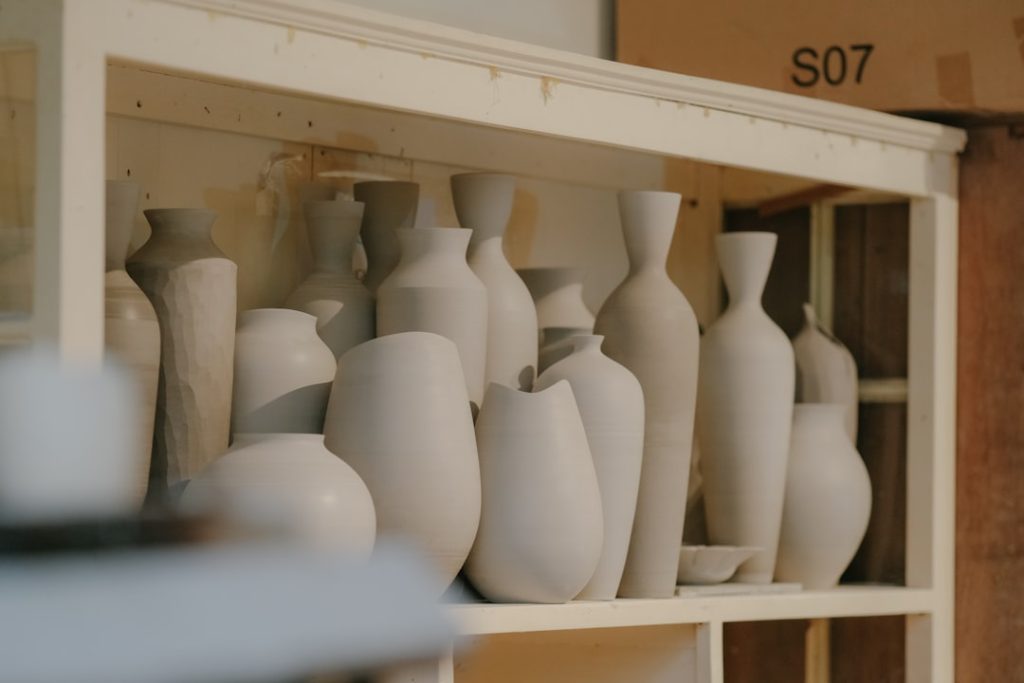
The intersection of living and working spaces has never been more relevant than it is today, and ceramic artist Tamara Alissa’s Toronto loft exemplifies this trend in the most fascinating way possible. What strikes me most about her approach is the bold decision to place a ceramic kiln directly in her living area, nestled between couches like any other piece of furniture.
This isn’t just about maximizing square footage—it’s about reimagining how we define domestic space in the 21st century. Her converted factory loft, with its 1920s industrial bones and sweeping city views, represents a growing movement of artists who refuse to separate their creative practice from their daily lives.
The Reality of Artist Living Spaces
I find Alissa’s setup particularly compelling because it challenges conventional notions of home safety and aesthetics. Most people would balk at the idea of high-temperature ceramic equipment sharing space with their sofa, but for serious artists, this integration often becomes a necessity rather than a choice.

The vibrant, cluttered aesthetic she’s cultivated speaks to a deeper truth about creative spaces—they’re rarely minimalist or sterile. The visual chaos that some might find overwhelming actually serves a functional purpose, keeping inspiration and materials within arm’s reach.
Who This Approach Works For
This living arrangement makes perfect sense for established artists with steady income streams who can afford the insurance and safety modifications required for such setups. It’s ideal for creators who work primarily in their medium and need constant access to their tools.
However, I’d argue this lifestyle isn’t suitable for everyone. Artists with children, those renting traditional residential spaces, or creators who prefer clear boundaries between work and rest would find this arrangement challenging or impossible.

The Industrial Loft Advantage
The former factory setting provides crucial advantages that make Alissa’s setup viable. The robust electrical systems, high ceilings, and concrete floors can handle industrial equipment that would be problematic in standard residential buildings.
What I find most interesting is how she’s maintained the building’s industrial character while creating genuine comfort. The original floor openings and factory elements aren’t just preserved—they’re celebrated as design features that add character and history to the space.
This approach to adaptive reuse represents a smart financial strategy too. Former industrial buildings often offer more space per dollar than traditional residential properties, making them attractive to artists who need both living and working areas.
The Broader Implications
Alissa’s living situation reflects larger trends in urban housing and the gig economy. As traditional career paths become less stable, more people are creating hybrid spaces that accommodate multiple income streams and creative pursuits.
I believe we’ll see more of these integrated live-work spaces as housing costs continue to rise and remote work becomes normalized. The key is finding the right balance between functionality and livability—something Alissa appears to have mastered through her colorful, eclectic approach to interior design.
Photo by Pew Nguyen on Unsplash
Photo by Swastik Arora on Unsplash
Photo by Monika Bienert on Unsplash