
High-End Design House Partners with Prestigious Florist for Immersive Retail Experience
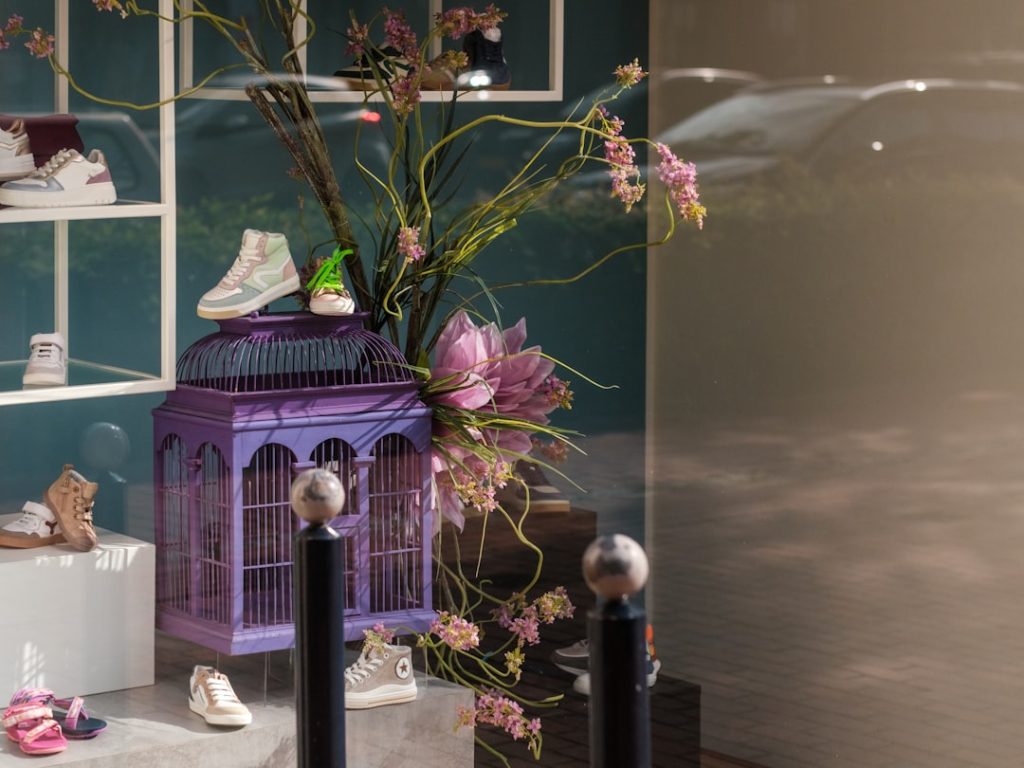
The luxury retail landscape continues to evolve as brands seek innovative ways to captivate customers through multi-sensory experiences. This trend has reached new heights with a fascinating collaboration between a prominent lifestyle design company and an acclaimed Parisian florist, demonstrating how strategic partnerships can transform traditional retail spaces into something truly extraordinary.
In what I consider a brilliant example of experiential retail done right, the design brand’s Saint-Germain-des-Prés flagship has been reimagined through a partnership with Chauvin Paris, the renowned floral house that has crafted arrangements for major fashion shows and prestigious venues like the Opéra Garnier. This isn’t just about adding some flowers to a store – it’s about creating an entirely new retail ecosystem.
The collaboration transforms the fragrance section into an immersive floral environment where exceptional botanical creations interact with luxury home goods, tableware, and fragrances. What strikes me as particularly clever is how this partnership leverages the natural synergy between florals and fragrance, creating a cohesive sensory journey that makes perfect business sense.
Who Benefits From This Approach
This type of collaboration is particularly valuable for affluent consumers who view shopping as an experience rather than a transaction. These are customers who appreciate craftsmanship, exclusivity, and the story behind what they’re purchasing. For them, the ability to engage with products in a curated, almost gallery-like environment adds significant value to the shopping experience.

Retailers operating in the luxury segment should pay close attention to this model. The collaboration includes limited-edition pieces – specifically two unique interpretations of a signature vase designed in partnership with the florist – which creates urgency and exclusivity that luxury consumers crave.
The Broader Retail Strategy
What impresses me most about this initiative is how it reflects a larger strategic vision. The company, which generated nearly $20 million in revenue in 2025, has been aggressively expanding its physical presence with new locations in major cities including New York, London, and New Delhi. This suggests they understand something many brands miss: despite the digital revolution, luxury consumers still value tactile, in-person experiences.
The appointment of a new CEO in 2024 – a seasoned executive with experience at prestigious beauty and lifestyle brands – signals a clear intention to evolve beyond traditional home décor into a comprehensive lifestyle brand. This makes perfect sense given the blurred lines between categories in today’s luxury market.
Where This Strategy Falls Short
However, I believe this approach has limitations. Ephemeral collaborations like this one, which runs only until July, create buzz but may not drive sustainable long-term engagement. The challenge for any luxury brand is maintaining that elevated experience consistently, not just during special partnerships.

Additionally, while this works beautifully for established luxury consumers, it may alienate price-conscious shoppers or those who prefer straightforward, efficient shopping experiences. The immersive approach requires time and appreciation for the aesthetic journey – something not every consumer values or has time for.
Future Implications
The brand’s plans to launch new home fragrances and collaborate with expert perfumers indicates they’re doubling down on the multi-sensory retail experience. This trajectory makes sense given the growing convergence between home, beauty, and lifestyle categories.
For other luxury retailers, this collaboration offers a blueprint for creating memorable brand experiences without massive infrastructure investments. The key is finding partners whose aesthetic and clientele naturally align with your brand values.
Ultimately, this partnership represents luxury retail at its most sophisticated – where the act of shopping becomes a form of cultural engagement. While it won’t work for every brand or every consumer, it demonstrates how thoughtful collaborations can elevate both partners and create genuine value for discerning customers.
Photo by Haberdoedas on Unsplash
Photo by Vladislav Osterman on Unsplash
Photo by Christian Huerta on Unsplash