
How Sudden Weather Changes Are Wreaking Havoc on Our Bodies and Minds
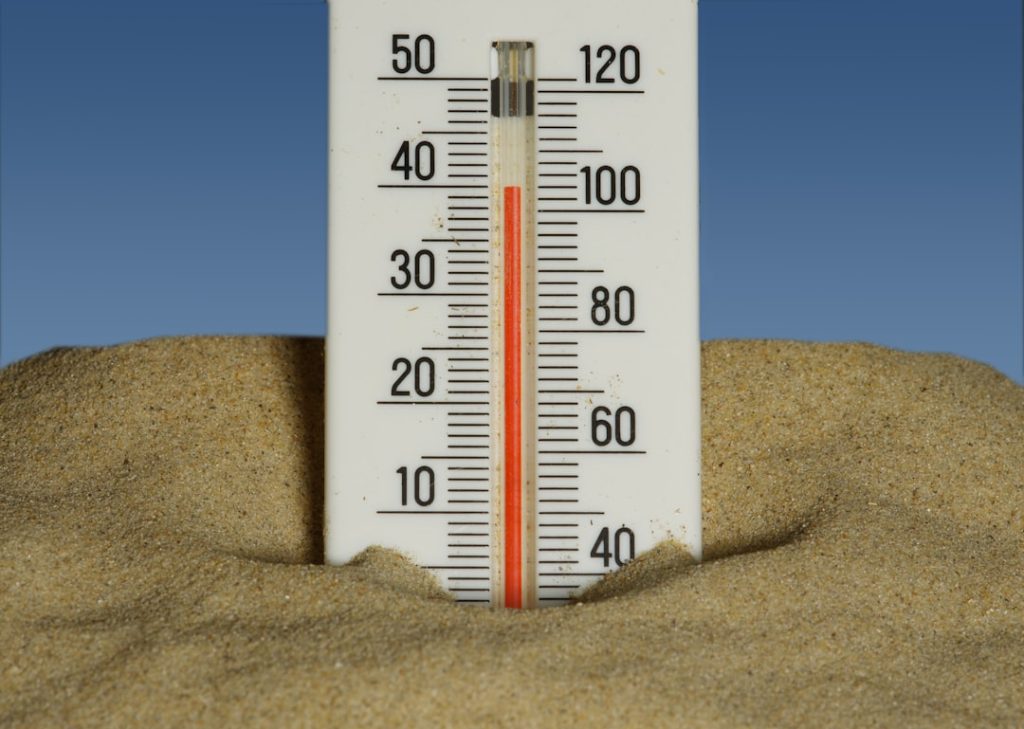
As we transition into summer, many regions are experiencing wild temperature swings that leave people feeling physically drained and mentally off-balance. One day we’re sweltering in unexpected heat, the next we’re reaching for sweaters as storms roll in. This isn’t just uncomfortable—it’s genuinely disruptive to our health in ways most people don’t realize.
I believe this issue is particularly relevant for anyone living in temperate climates where weather patterns have become increasingly erratic. If you’re someone who notices you feel “off” when the weather changes dramatically, you’re not imagining things. Your body is genuinely struggling to keep up with environmental demands it wasn’t designed to handle.
The Acclimatization Problem
Here’s what I find most concerning: our bodies need roughly one to two weeks to properly adjust to significant temperature changes. But when we’re experiencing dramatic weather shifts every few days, we never get the chance to fully adapt. It’s like constantly jet-lagging without ever traveling.
Medical professionals point out that people in consistently hot climates naturally develop behavioral and physiological adaptations over time. Their bodies learn to regulate temperature more efficiently, and they instinctively adjust their daily routines. But for those of us dealing with unpredictable weather patterns, we’re stuck in a perpetual state of biological confusion.
In my opinion, this makes fluctuating weather potentially more harmful than sustained heat waves. At least with consistent conditions, your body eventually finds its rhythm. With constant changes, you’re always playing catch-up.
Four Critical Ways Weather Chaos Affects You
Sleep Disruption
Temperature fluctuations absolutely devastate sleep quality, and this matters more than most people realize. Even moderate temperature increases can rob you of deep, restorative sleep phases that are crucial for physical recovery and mental clarity. If you’re someone who already struggles with sleep issues, unpredictable weather will likely make things significantly worse.

This is particularly problematic for shift workers, parents with young children, or anyone whose sleep is already compromised. The last thing these groups need is another factor working against their rest.
Mood Volatility
While most people associate seasonal mood disorders with winter, summer heat can trigger similar psychological responses. Rising temperatures correlate with increased aggression, higher stress levels, and even spikes in crime rates and domestic violence incidents.
I think this is especially important for people with existing mental health conditions to understand. If you notice increased irritability or mood swings during temperature changes, it’s not a character flaw—it’s a physiological response. Those who work in high-stress environments or have demanding interpersonal relationships should be particularly mindful of this connection.
Immune System Compromise
Heat exposure triggers inflammatory responses and stress signals throughout the body. Initially, your immune system works overtime, but prolonged heat stress can cause it to essentially shut down as a conservation mechanism. This leaves you vulnerable to illness precisely when you might expect to feel healthiest.
What’s particularly troubling is that when temperatures drop, your immune system doesn’t immediately bounce back. The recovery process takes time, meaning you’re operating with compromised defenses even after the heat subsides. This is crucial information for anyone with chronic health conditions or those who work in environments where they can’t afford to get sick.
Cognitive Impairment
Heat-induced hormonal changes—particularly involving cortisol and serotonin—can significantly impact memory, decision-making abilities, and energy levels. Even after temperatures normalize, cognitive function doesn’t immediately return to baseline, especially in middle-aged and older adults.

This has serious implications for anyone whose job requires sharp mental performance. If you’re in a leadership role, work in healthcare, or make important decisions regularly, understanding this connection could be critical for your professional effectiveness.
Protecting Yourself From Weather Whiplash
The good news is that awareness and preparation can significantly minimize these effects. Prioritizing sleep becomes even more crucial during unstable weather periods. This means investing in proper bedroom cooling, maintaining consistent sleep schedules, and recognizing that you might need more rest than usual.
Hydration isn’t just about drinking water when you’re thirsty—it’s about maintaining consistent fluid intake to help your body manage temperature regulation more effectively. I’d argue this is one of the simplest yet most overlooked strategies for weather resilience.
Perhaps most importantly, maintaining social connections and regular routines provides psychological stability when your physical environment feels chaotic. This is particularly valuable for people who live alone or work from home, as they might be more susceptible to weather-related mood changes.
Who Should Pay Attention
This information is most relevant for people living in regions with increasingly unpredictable weather patterns, those with existing health conditions, and anyone who’s noticed they feel worse during weather transitions. It’s less critical for people in stable climates or those who spend most of their time in climate-controlled environments.
Parents should also take note, as children may be experiencing these effects without being able to articulate what they’re feeling. Understanding the connection between weather changes and behavioral shifts could provide valuable context for family dynamics during unstable weather periods.
Photo by Immo Wegmann on Unsplash
Photo by Kaffeebart on Unsplash
Photo by Denny Müller on Unsplash