Meme Creator Secures Resolution with AI Company Over Unauthorized Usage
The digital art world has witnessed another significant development in the ongoing battle between original creators and artificial intelligence companies over intellectual property rights. KC Green, the artist behind the widely recognized “This is fine” meme, has successfully reached a settlement with AI startup Artisan following unauthorized use of his iconic creation.
This resolution represents what I believe is a crucial precedent in the rapidly evolving landscape of AI and creative rights. The fact that Green was able to secure an agreement demonstrates that individual artists still have recourse when their work is misappropriated, even by well-funded technology companies.

The startup has reportedly removed advertisements that featured Green’s beloved meme without proper authorization. This outcome is particularly meaningful for independent creators who often lack the resources to pursue legal action against larger corporations. In my view, this case serves as an encouraging example that creators don’t have to simply accept the unauthorized use of their work.
What makes this situation especially relevant is the broader context of AI companies frequently using copyrighted material without permission to train their systems or promote their services. I think this settlement sends a clear message that such practices won’t go unchallenged indefinitely.

For fellow artists and content creators, this case offers valuable lessons about protecting intellectual property in the digital age. Those who have created viral content or recognizable artistic works should take note that legal remedies remain available, even when facing well-funded technology startups.
However, this resolution likely won’t benefit creators who lack the visibility or resources that Green’s popular meme afforded him. Smaller artists without viral recognition may still struggle to achieve similar outcomes when their work is misused.
The agreement also highlights the importance of creators maintaining clear ownership documentation of their work. In my opinion, this case underscores why artists must be proactive about protecting their intellectual property rights, particularly as AI technology continues to blur traditional boundaries around creative ownership.
Moving forward, I believe we’ll see more confrontations between creators and AI companies as the technology sector grapples with questions of fair use, attribution, and compensation. This settlement may encourage other artists to pursue similar actions when their work is used without permission.
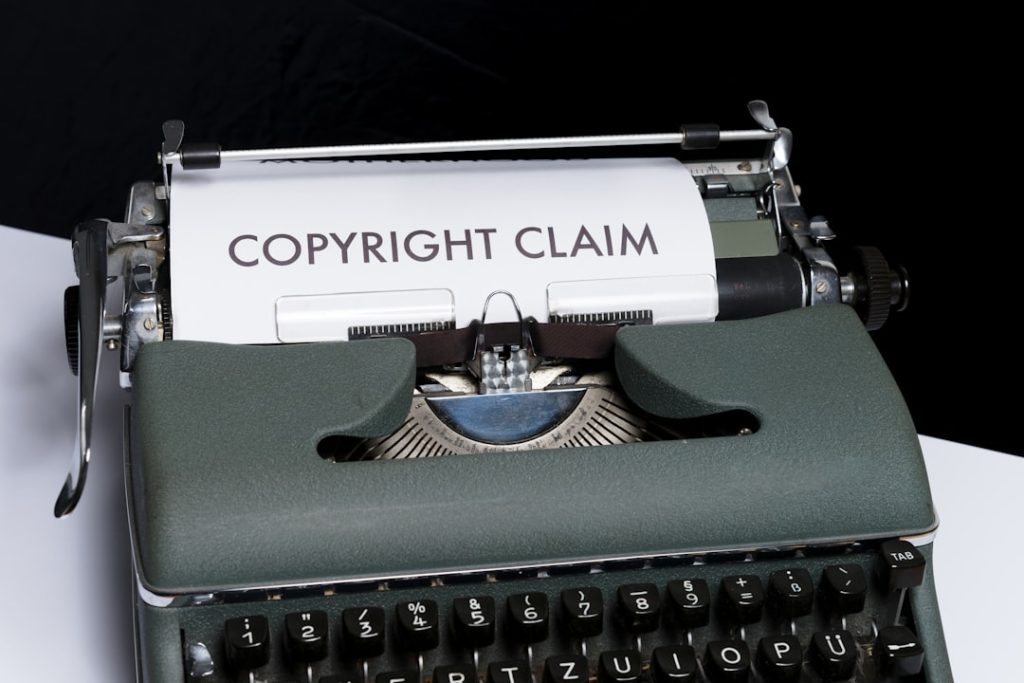
Photo by Markus Winkler on Unsplash
Photo by Conny Schneider on Unsplash